Posted on

Hosting Without the Stress: Setting the Mood at Home

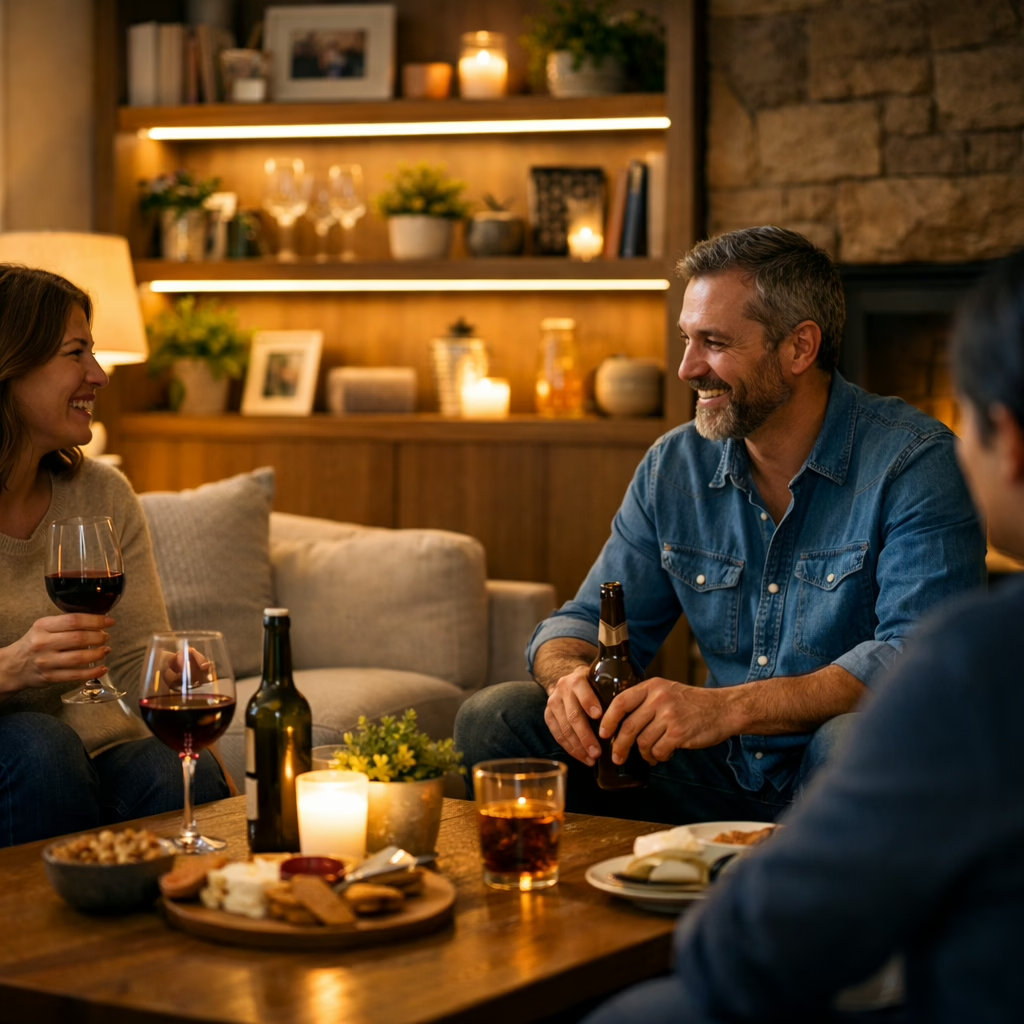
Warm home lighting creating a relaxed atmosphere for casual hosting

Somewhere along the way, it turned into a performance. Perfect timing, spotless counters, everything done just right. The kind of night where you spend more time managing details than actually enjoying the people you invited over.

But the gatherings that stick with us are rarely about what was served. They are about how the space felt.

People stayed longer than they planned to. Conversations stretched. No one rushed to clean up or check the time. It felt easy, even if nothing about it was perfect.

That feeling does not happen by accident.

Atmosphere Does the Heavy Lifting

You can absolutely burn the chicken and still have a great night. You can skip the fancy garnish, grab dessert from the store, and nobody will care.

What people do notice, even if they cannot put it into words, is whether a space feels comfortable. Harsh lighting, awkward brightness, or a room that feels unfinished keeps everyone slightly on edge. They hover. They snack standing up. The night never quite settles.

When a room feels warm and intentional, people relax without thinking about it. They lean back. They linger. The energy shifts.

That is atmosphere doing the work for you.

Lighting Changes Everything

Lighting is one of the fastest ways to change the mood of a space, and it is often the last thing people think about.

Overhead lighting has its place. It is great for cleaning and terrible for hosting. It keeps everything in work mode, even when the night is supposed to slow down.

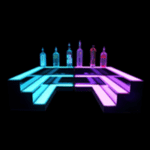
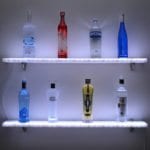
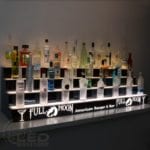
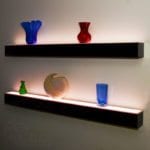
Layered lighting softens the room. Light along shelves, behind a bar, or tucked into corners adds depth and warmth without demanding attention. It pulls the eye outward and makes the space feel considered, not staged.

The best lighting is the kind no one comments on. They just feel better in the room.

Design for the Way You Actually Live

The easiest homes to host in are the ones that already work on an ordinary day.

If a space only feels good when it is perfectly styled, hosting will always feel like a chore. When it looks and feels right most of the time, inviting people over becomes a small decision instead of a big project.

Functional design matters here. Shelving that keeps things organized. Lighting that finishes a space without extra effort. Rooms that look good whether they are carefully arranged or casually lived in.

When your home supports real life, hosting stops feeling like work.

Hosting Without Performing

The best hosts are not busy.

They are present. They sit down. They get pulled into conversations and lose track of time.

A well designed space quietly supports that. It takes pressure off. It lets the room carry some of the responsibility so you do not have to manage every detail.

Hosting does not need to impress anyone. It just needs to feel good.

One Last Thought

If you want people to stay, give them permission to relax.

Soften the light. Set the mood. Let the space do some of the work.

The most memorable nights are not the ones where everything was perfect. They are the ones where no one wanted to leave. If you are designing a space meant for real life gatherings, thoughtful lighting can make all the difference.
Posted on

How Lighting Influences How Long Guests Stay and Order

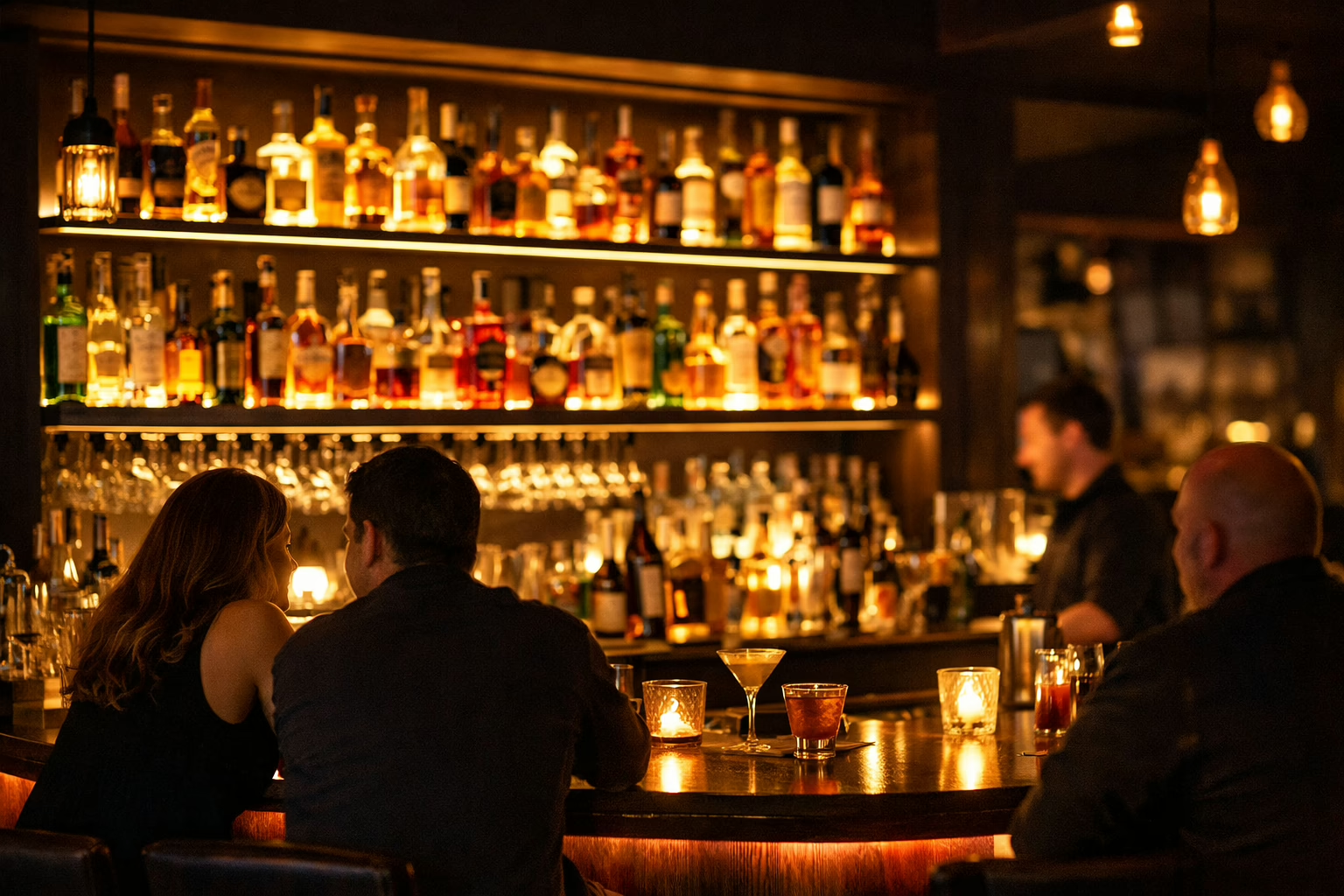
Warm mood lighting in a bar with illuminated shelving behind the counter, creating an intimate atmosphere that encourages guests to linger and order more.

Walk into a great bar and you feel it before you order a drink.

The room invites you to settle in. Conversations feel easier. The space feels intentional rather than loud or rushed. While menu design, music, and service all play a role, lighting is one of the most powerful and most overlooked drivers of guest behavior.

In hospitality spaces, lighting does more than illuminate. It shapes how long people stay, how comfortable they feel, and how much they enjoy the experience.

Lighting sets the pace of a space

Bright, cool lighting signals efficiency. It works well in daytime cafés or high-turnover environments. In bars and lounges, however, overly bright lighting often shortens visits. Guests subconsciously feel exposed or rushed, even if they cannot articulate why.

Lower, warmer lighting slows things down. It encourages people to linger, lean in, and order another round. The space feels designed for experience rather than throughput.

This is not about making a room dark. It is about controlling contrast, warmth, and visual focus.

Faces matter more than fixtures

One of the most practical truths in bar lighting is also one of the least discussed. People want to look good when they are out.

Warm, indirect light softens features and reduces harsh shadows. It makes guests feel more confident and relaxed. When lighting flatters people, they stay longer, take more photos, and associate the space with positive memories.

This is especially important in date-night environments and cocktail lounges, where intimacy and comfort matter as much as aesthetics.

The problem with overhead lighting alone

Many bars rely heavily on overhead fixtures to carry the entire room. This often leads to a flat, overly bright environment that lacks depth.

Overhead lighting should provide orientation, not atmosphere.

Without layered lighting, even beautifully designed spaces can feel sterile at night. Shelving disappears into shadow or becomes visually cluttered. Bottles and displays lose their impact after sunset.

Layered lighting creates visual anchors

The most effective hospitality lighting uses layers. Ambient light sets the base. Accent lighting highlights focal points. Task lighting supports staff without overpowering the room.

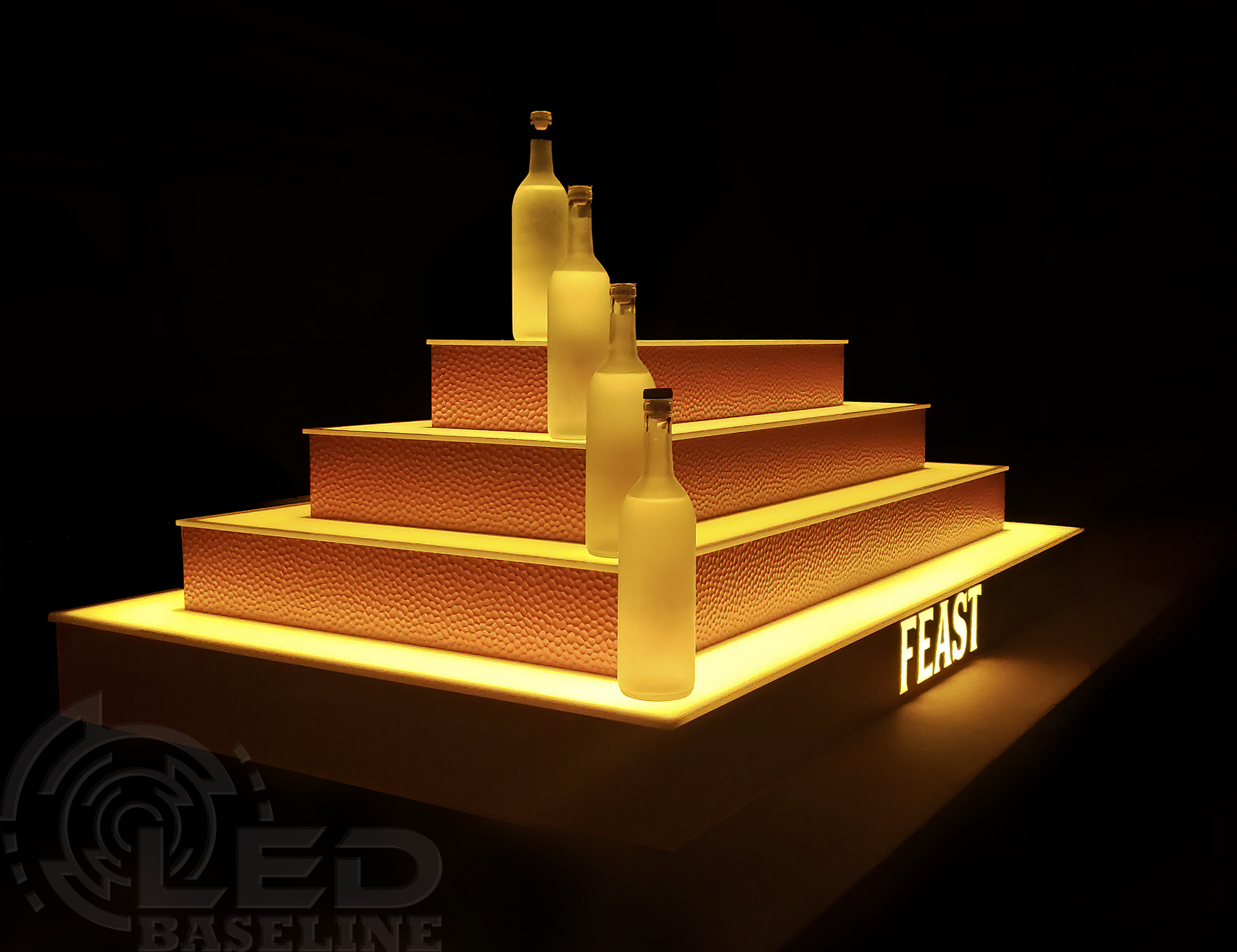
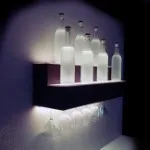
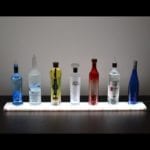
Illuminated shelving plays a unique role here. Backlit bottles and softly glowing displays create visual anchors that draw the eye without demanding attention. They add warmth and depth while keeping the rest of the room comfortable and subdued.

When lighting is adjustable, spaces can shift seamlessly from early evening to late night energy without changing fixtures or layouts.

Why this matters for revenue

When guests feel comfortable, they stay longer. When they stay longer, they order more. Lighting influences dwell time as much as seating or menu layout, yet it is often treated as a purely decorative choice.

Bars that invest in intentional lighting are not just improving aesthetics. They are shaping behavior.

February often brings this into focus, as date nights and intimate gatherings become more common. But the principle holds year-round. Atmosphere is not seasonal. It is foundational.

Lighting as part of the experience

The most memorable bars are not remembered for a single feature. They are remembered for how they felt.

Thoughtful lighting supports conversation, highlights craftsmanship, and makes guests want to return. Whether designing a new space or refining an existing one, lighting should be considered part of the experience, not an afterthought.

At LEDBaseline, we design illuminated shelving with hospitality environments in mind, creating warmth, depth, and flexibility without overpowering the room. The goal is simple. Help spaces feel better to be in.

Because when a space feels right, guests stay. And when guests stay, everything else follows.